
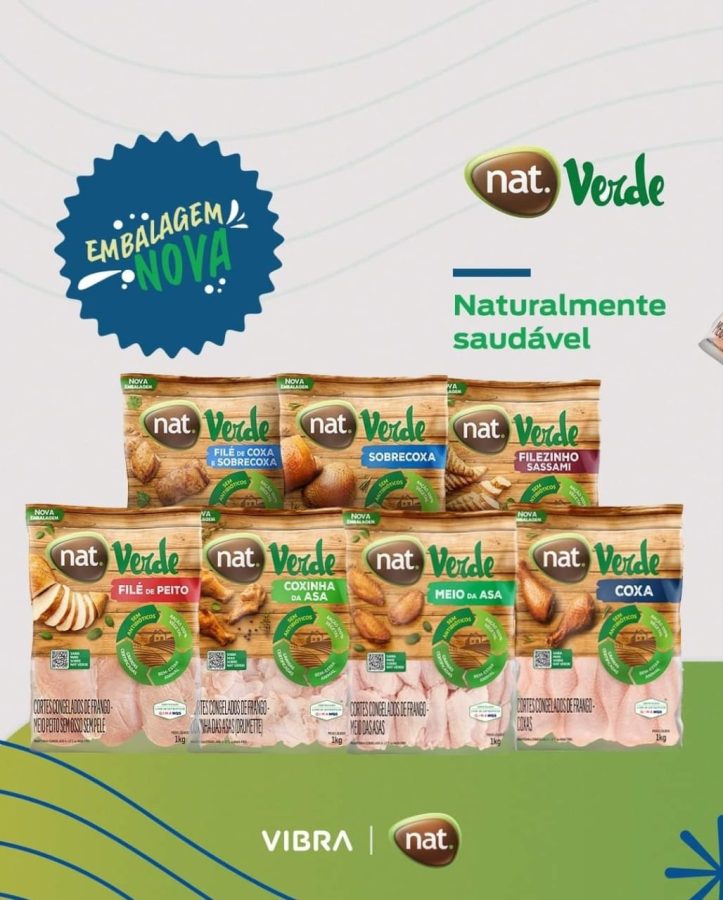
The world food industry has undergone a impressive transformation in Recent epoch eld, and one of the most stunning shifts has been in how consumers purchase meat. Traditionally, purchasing meat meant visiting a local slaughter shop or supermarket, where choices were limited by geographics and available cater irons. Today, however, online butcher shops have made it possible to tell high-quality meat from around the earth with just a few clicks. This shift is not only dynamical consumer habits but also reshaping how meat is sourced, processed, and delivered on a international scale. Buy Frozen Chicken Online.
One of the key drivers behind the rise of online meat shopping is . Consumers no thirster need to adjust their schedules to visit natural science stores or vex about store hours and accessibility. Instead, they can browse curated selections of beef, lamb, crybaby, pork, and speciality meats from their phones or computers at any time. Many online slaughter platforms also ply elaborate product descriptions, origin selective information, and grooming tips, allowing customers to make more hep decisions than they might in a orthodox retail setting. This level of availability has made insurance premium meat products available to a much wider audience.
Another remarkable factor is tone control and transparentness. Online butcher shops often underline sourcing practices, offer grass over-fed, organic fertiliser, hormone-free, or ethically raised meat options. Because these businesses rely to a great extent on repute and client swear, they tend to ply more elaborated traceability information than conventional market stores. Customers can often instruct exactly where the fauna was increased, how it was fed, and how it was processed. This transparency has become a John R. Major selling aim for health-conscious and oriented consumers who want more verify over what they eat.
The globalisation of meat ply irons has also been accelerated by online platforms. In the past, importing high-quality meat was for the most part qualified to restaurants or technical distributors due to supply challenges and restrictive barriers. Now, online butcher services have efficient international shipping, cold-chain logistics, and promotion technologies to see to it freshness across long distances. As a result, consumers in one part of the worldly concern can enjoy wagyu beef from Japan, lamb from New Zealand, or specialty cuts from Europe without going away their homes. This global get at has significantly broadened preparation possibilities for home cooks.
Technology plays a telephone exchange role in the succeeder of online meat businesses. Advanced infrigidation and hoover-sealing techniques see that products stay freshly during pass over, even across international borders. In plus, integer platforms use data analytics and customer feedback to personalize recommendations, ameliorate inventory direction, and optimize rescue routes. Some services even incorporate subscription models, where customers receive fixture shipments of curated meat selections tailored to their preferences. This of logistics design and whole number news has made online butcher shops both effective and scalable.
Despite these advantages, the rise of online meat shopping also presents challenges. One of the primary feather concerns is maintaining homogenous tone across long cater chains. While many companies enthrone heavily in cold entrepot and transportation systems, delays or handling issues can still involve production freshness. Additionally, regulative differences between countries can rarify imports and exports, requiring demanding compliance with food refuge standards. Consumers also face the take exception of not physically inspecting products before buy in, which can lead to precariousness about texture, marbling, or cut tone.
Environmental considerations are another monumental panorama of the discourse. While online meat rescue can reduce the need for patronize trips to physical stores, it also increases promotion use and transit emissions, particularly for International shipments. However, some online butcher companies are addressing these concerns by adopting property publicity materials, optimizing saving routes, and partnering with eco-friendly farms. The industry is step by step animated toward reconciliation convenience with state of affairs responsibleness, though this corpse an current take exception.
Ultimately, online slaughter shops are redefining how populate interact with one of the most traditional sectors of the food manufacture. By combining convenience, transparence, world-wide get at, and engineering, they are creating a new simulate for meat consumption that aligns with Bodoni consumer expectations. While challenges concomitant to logistics, rule, and sustainability continue, the growth of this sector shows no signs of deceleration down. As more consumers squeeze integer food buying, the world-wide meat industry is likely to become even more interconnected, efficient, and client-focused in the geezerhood out front.