DDailyWorkOutz Health & Fitness The Evolution of Medical Beauty: A New Era of Self-Care and Aesthetic Medicine

The Evolution of Medical Beauty: A New Era of Self-Care and Aesthetic Medicine

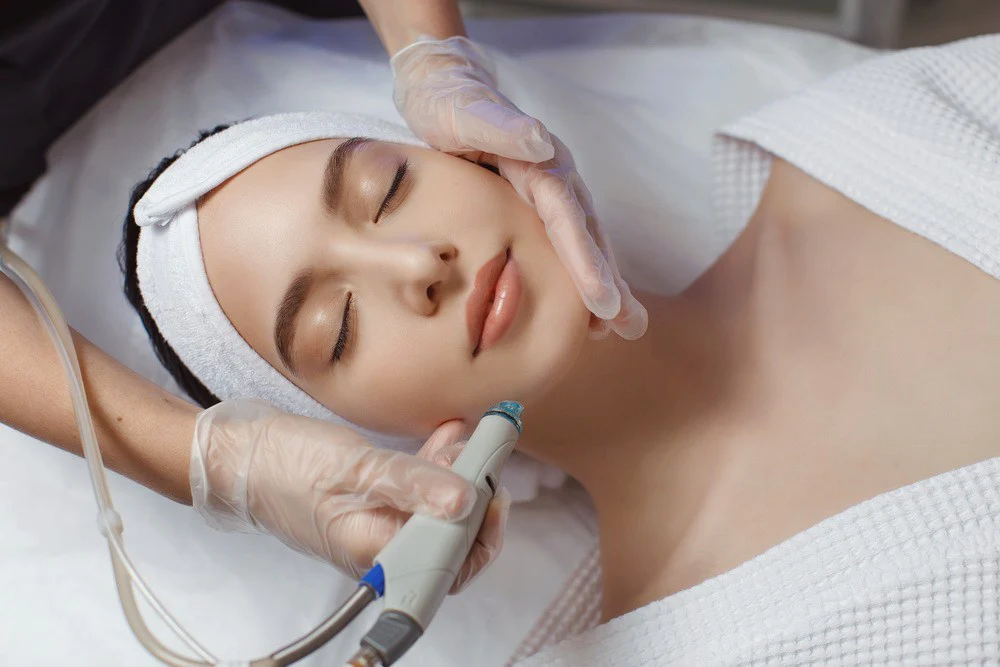
Medical beauty has rapidly evolved from a niche practice to a global phenomenon, reshaping how people approach personal aesthetics. As technology advances and the desire for non-invasive, effective treatments increases, medical beauty has found a significant place in the mainstream. This field, which blends the expertise of medical professionals with the world of beauty enhancement, continues to transform lives by offering safer, quicker, and more sustainable results than traditional cosmetic surgery. But what exactly is medical beauty, and why is it so popular? In this article, we will delve into the fascinating world of medical aesthetics and explore the treatments, benefits, and future potential of this booming industry.

What Is Medical Beauty?

Medical beauty, also referred to as aesthetic medicine, combines the precision of medical science with cosmetic treatments designed to enhance appearance. It involves a range of non-surgical procedures that can improve skin health, restore facial volume, reduce wrinkles, and reshape body contours. Unlike traditional beauty treatments that rely on topical products and basic grooming techniques, medical beauty focuses on procedures that require medical knowledge, skill, and often, advanced equipment.

Medical beauty procedures are typically non-invasive or minimally invasive, allowing clients to achieve their desired results without the need for extensive recovery or downtime. This fusion of medical expertise with beauty goals makes it a preferred option for many individuals looking to enhance their appearance while minimizing risk and complications.

Key Treatments in Medical Beauty

The spectrum of medical beauty treatments is vast, offering customized solutions for different skin concerns and cosmetic desires. Some of the most popular procedures include:

1. Injectables: Botox and Dermal Fillers

  • Botox is one of the most well-known treatments in the medical beauty industry. It works by temporarily paralyzing the muscles responsible for creating wrinkles, particularly around the eyes, forehead, and mouth. Botox is a popular option for individuals looking to smooth out fine lines and achieve a youthful appearance without resorting to surgery.

  • Dermal fillers, made from substances like hyaluronic acid or calcium hydroxylapatite, are injected into the skin to restore volume in areas that have lost fullness over time. These can be used to enhance lips, cheeks, or the under-eye area, and also smooth out deeper wrinkles. The results are immediate and typically last from several months to over a year, depending on the product.

2. Laser Skin Treatments

Laser technology has revolutionized medical beauty, offering highly effective treatments for skin rejuvenation. Some common laser procedures include:

  • Laser Resurfacing: Used to reduce fine lines, wrinkles, acne scars, and sun damage by targeting damaged skin and stimulating collagen production. Fractional CO2 lasers and erbium lasers are the most commonly used for skin resurfacing.

  • Laser Hair Removal: This treatment uses laser energy to target hair follicles, effectively reducing or permanently eliminating unwanted body or facial hair.

  • Pigmentation Treatment: Lasers can also be used to target hyperpigmentation or uneven skin tone, helping to reduce the appearance of dark spots and age spots.

3. Chemical Peels

Chemical peels involve the application of a chemical solution to the skin, which exfoliates the outer layers and promotes the growth of new, smoother skin. This treatment is effective for tackling issues like acne scars, sun damage, uneven pigmentation, and signs of aging. Depending on the strength of the peel, it can be performed at various depths to achieve different levels of exfoliation.

4. Microneedling

Microneedling, also known as collagen induction therapy, uses small needles to create tiny punctures in the skin. These micro-injuries stimulate the body’s natural healing process, boosting collagen production and improving skin texture. It’s an effective solution for those looking to improve the appearance of scars, stretch marks, and fine lines, as well as for enhancing overall skin tone and firmness.

5. Non-Surgical Body Contouring

Body contouring procedures like CoolSculpting and SculpSure target stubborn fat deposits that are resistant to diet and exercise. These treatments use controlled cooling or heat to break down fat cells, which are then naturally eliminated by the body. These non-invasive techniques allow individuals to sculpt areas like the abdomen, thighs, and flanks without the need for liposuction or surgery.

6. Platelet-Rich Plasma (PRP) Therapy

PRP therapy uses the patient’s own blood, which is processed to concentrate platelets rich in growth factors. This concentrated plasma is then injected into areas like the face or scalp to promote healing, collagen production, and rejuvenation. PRP is widely used for facial skin rejuvenation and hair restoration, offering a natural, biocompatible alternative to synthetic injectables.

Benefits of Medical Beauty

One of the main reasons medical beauty has gained such popularity is the multitude of benefits it offers compared to traditional cosmetic procedures. Here are a few key advantages:

1. Non-Invasive with Minimal Downtime

Many medical beauty treatments do not require surgery and have little to no downtime. Most injectable treatments like Botox and dermal fillers can be completed in less than an hour, with patients typically able to return to their daily routines immediately after the procedure. Even laser treatments and chemical peels have relatively short recovery times compared to traditional surgery.

2. Natural-Looking Results

透明質酸針 aims to enhance rather than alter a person’s natural appearance. The goal is to achieve subtle, youthful improvements that make individuals look refreshed, not “done.” This approach helps clients maintain their natural expressions and features while improving skin texture, volume, and tone.

3. Long-Lasting Effects

Many medical beauty treatments offer results that last for months or even years. For example, Botox can provide wrinkle-relief for up to six months, while dermal fillers can last from six months to over a year. This long-lasting impact means fewer repeat visits compared to traditional beauty treatments, making it a cost-effective option in the long run.

4. Personalized Treatment Plans

Medical beauty procedures are highly customizable. Whether someone seeks to reduce wrinkles, sculpt their body, or address skin imperfections, medical professionals can create a personalized treatment plan based on the client’s specific needs and aesthetic goals.

The Future of Medical Beauty

The future of medical beauty looks bright, with continued advancements in technology, technique, and treatment offerings. The growing demand for non-invasive aesthetic procedures, especially among younger generations, indicates that the industry will continue to evolve. We can expect more treatments tailored to individual skin types and concerns, powered by artificial intelligence and advanced imaging systems.

The integration of artificial intelligence (AI) and 3D imaging is already enhancing treatment planning, allowing practitioners to more accurately predict results and customize approaches for individual clients. Additionally, biotechnology innovations may soon offer even more natural, long-term solutions for facial rejuvenation and body contouring.

Conclusion

Medical beauty has transformed the way we approach self-care and beauty enhancement, offering individuals more effective and accessible treatments than ever before. By merging medical science with beauty goals, medical aesthetics has carved out a niche in the wellness industry that continues to grow and evolve. With minimally invasive procedures offering safe, natural, and long-lasting results, it’s no surprise that more and more people are turning to medical beauty as their go-to solution for enhancing their appearance and boosting their confidence. As technology continues to advance, the future promises even more exciting innovations and treatments for those seeking a more youthful, radiant version of themselves.

Leave a Reply

Your email address will not be published. Required fields are marked *

Related Post

Современный психиатр и доказательные методы терапииСовременный психиатр и доказательные методы терапии

Ментальное здоровье — важнейшая часть нашей жизни, определяющая качество отношений, работоспособность и ощущение счастья. К сожалению, многие люди до сих пор стесняются обращаться за поддержкой, считая, что психиатр нужен только в самых тяжелых случаях. В центре ментального здоровья Эмпатия мы доказываем обратное: забота о психике столь же естественна, как и профилактика соматических заболеваний. Наша команда стремится сделать помощь доступной и комфортной, а также изменить отношение общества к психическим расстройствам через просвещение и открытый диалог.

Что мы лечим

В Эмпатии работают специалисты, готовые помочь при самых разных состояниях. К психиатр обращаются люди с тревожно-депрессивными расстройствами, шизофренией, биполярным аффективным расстройством, фобиями, паническими атаками и соматоформными нарушениями. Мы занимаемся коррекцией расстройств личности, а также оказываем помощь при синдроме аутистического спектра. Особое внимание уделяется ранней диагностике депрессии и тревожности, которые часто маскируются под усталость или стресс. Наши детские и подростковые психиатр помогают выявить трудности развития и поведения у детей, что особенно важно для гармоничного взросления. В Эмпатии понимают: чем раньше начато лечение, тем выше шанс на успешное восстановление.

Услуги центра

Мы предлагаем широкий спектр услуг, чтобы каждый пациент мог выбрать удобный формат получения помощи. Это прием врача психиатр, консультации психотерапевта, работа с клиническим психологом и диагностика у нейропсихолога. Для тех, кто не может приехать лично, доступна консультация психиатр онлайн. Кроме того, мы предоставляем справки для образовательных учреждений, помогаем в лечении панических атак у детей и сопровождаем подростков в сложные периоды взросления. В работе используются современные методы диагностики, доказательная медицина и индивидуальный подход, что позволяет достигать устойчивых результатов. Наша цель — не только снять симптомы, но и помочь человеку вернуться к полноценной и гармоничной жизни.

Специалисты Эмпатии

Команда центра — это более 80 профессионалов, среди которых врачи психиатр, психотерапевты, клинические психологи, неврологи и эндокринологи. Среди наших сотрудников есть доктора и кандидаты медицинских наук, опытные практикующие врачи и молодые специалисты, работающие по международным стандартам. Мы тщательно подбираем персонал, ведь успех лечения во многом зависит от умения врача проявлять внимание, чуткость и эмпатию. Каждый психиатр центра Эмпатия умеет выстраивать доверительные отношения с пациентом, объяснять суть терапии простыми словами и поддерживать человека на всем пути восстановления.

О центре

Центр Эмпатия работает с 2018 года и уже заслужил доверие тысяч пациентов. На данный момент у нас открыты три филиала в Москве и Московской области, где ежемесячно помощь получают около 10 тысяч человек. В стенах центра царит уютная и спокойная атмосфера, где каждый чувствует себя в безопасности. Мы работаем без выходных: с понедельника по субботу с 9:00 до 22:00, в воскресенье — с 10:00 до 22:00. Наши цены на консультации ниже средней по Москве, ведь мы стремимся сделать визит к врачу психиатр москва доступным каждому.

Почему выбирают Эмпатию

Обращаясь в центр ментального здоровья Эмпатия, пациенты получают не только медицинскую помощь, но и искреннюю поддержку. Мы уделяем внимание индивидуальности каждого человека, не осуждаем и не стигматизируем. Наша миссия — помогать людям преодолевать страхи и предрассудки, связанные с психическими расстройствами. Мы верим, что визит к врачу психиатр — это проявление силы и заботы о себе. Именно поэтому наши пациенты доверяют нам самое ценное — свое здоровье и внутреннее равновесие.

A Comprehensive Examination Guide To Understanding Viscus Arm Surgical Procedure And Its Costs In The UkA Comprehensive Examination Guide To Understanding Viscus Arm Surgical Procedure And Its Costs In The Uk

Weight loss surgical operation, particularly stomachic sleeve surgical operation, has become more and more nonclassical for individuals quest a healthier life. In this article, we will cut into into the ins and outs of this postoperative routine and research the diversified stomachic sleeve cost, especially in the context of the UK هزینه جراحی فک.

What is Gastric Sleeve Surgery?

Gastric arm surgical procedure, also known as sleeve gastrectomy, is a subprogram that involves removing a portion of the stomach to restrain food consumption. This importantly reduces famish and gram calorie expenditure, making it an effective method for slant loss. Post-surgery, the brook takes on a tube-shaped form, resembling a arm, hence the name.

Benefits of Gastric Sleeve Surgery

  • Substantial angle loss results
  • Reduction in comorbid conditions like diabetes and hypertension
  • Improved quality of life

Understanding the Cost of Gastric Sleeve Surgery in the UK

The internal organ sleeve operation cost in the UK can vary supported on several factors such as the placement of the , the sawbones’s expertise, and the facilities provided. Below are some normal cost considerations:

Factors Influencing the Cost

  1. Location of the infirmary or clinic
  2. The expertness and repute of the medical checkup team
  3. Pre-operative assessments and post-operative care
  4. Inclusion of additional support services such as nutritionary counseling

Gastric Sleeve Surgery UK Price: A General Overview

On average out, the stomachic arm cost uk ranges from some 8,000 to 15,000. It’s material to research and sympathise what is enclosed in the quoted damage to check there are no further unplanned expenses.

FAQs About Gastric Sleeve Surgery Cost

How much does a arm gastrectomy cost?

In the UK, the arm gastrectomy cost uk typically ranges from 8,000 to 15,000. It is wise to consult with healthcare providers to get a exact gauge based on soul health chec needs.

Are there funding options available for gastric arm surgical procedure cost?

Many clinics volunteer funding plans or referrals to third-party support agencies, allowing patients to manage the subprogram’s cost more in effect.

For those fascinated in exploring further, you can teach more about the and associated by visiting specialised health care providers.

Gastric sleeve surgical procedure represents a substantial investment funds in one’s wellness, well-being, and future. Understanding the potential costs and funding options will empower you to make an well-read about following a fitter modus vivendi.

How To Talk To Your Doctor About Dispensary CannabisHow To Talk To Your Doctor About Dispensary Cannabis

As cannabis becomes more widely uncontroversial for wellness and medical purposes, many populate find themselves in unmapped territory: how to discuss it with their doctor. Whether you re considering cannabis for pain management, anxiousness, log Z’s, or other health concerns, having an open and sophisticated conversation with your health care provider is crucial. Yet, for many, the idea of bringing it up can feel discouraging. Here s a guide to approach the matter with confidence, with all respect, and in effect.

Why Talking to Your Doctor Matters

Cannabis affects everyone other than. Its interaction with your body can count on your health conditions, medications, and even genetic science. By discussing ganja with your doctor, you can:

  • Ensure it s safe aboard your current medications

  • Get professional guidance on dosage and using up methods

  • Learn about potentiality side effects or interactions

  • Access legally sheltered medical checkup cannabis programs, where applicable

Ignoring your s stimulant can lead to irreconcilable dosing, undesirable side personal effects, or interactions with prescription medications. Open communication helps ascertain that your cannabis use is both safe and operational.

Prepare Before Your Appointment

Before talking to your doctor, it helps to be prepared. Consider these steps:

  • Educate Yourself: Understand the rudiments of marihuana, including THC and CBD, their effects, and the differences between oils, tinctures, edibles, and flower.

  • Know Your Goals: Are you looking to wangle pain, tighten anxiety, improve sleep late, or subscribe overall health? Clear goals help your doctor give particular advice.

  • Track Your Health: Keep a tape of symptoms, current medications, and any anterior experiences with ganja. This helps your assess potency interactions and potency.

  • Being abreast demonstrates that you re taking your wellness seriously, which encourages a more productive conversation.

    Start the Conversation Calmly and Clearly

    Doctors are used to discussing new treatments, but cannabis can still feel sensitive. Approach the matter sedately and openly. You might say something like:

    I ve been recital about medical ganja and I m fascinated in whether it could help with my prolonged pain. Can we discuss whether it s safe for me?

    Honesty is key. Avoid downplaying your matter to or concealing antecedent ganja use. Doctors can provide the best direction when they have the full figure.

    Ask the Right Questions

    A productive conversation includes questions that address safety, efficaciousness, and personalization. Consider asking:

    • Are there any risks or interactions with my current medications?

    • What cannabinoid ratios(THC vs. CBD) might be appropriate?

    • What deliverance methods(oils, tinctures, edibles, topicals) are advisable for my condition?

    • How should I start dosing, and how will I know if it s operational?

    • Are there any legal considerations I should be witting of in my submit?

    This approach not only shows your earnestness but also gives you steps to move send on safely.

    Be Open to Professional Guidance

    Not all doctors are experts in marihuana, and some may have limited undergo. However, most are willing to supply direction or touch you to specialists who are informed about medical ganja. Be pervious to their advice and empathize that your s view is vegetable in health chec refuge and best practices.

    Document and Follow Up

    If you take up using cannabis under your doctor s direction, keep a diary of dosage, method, and effects. Track both prescribed outcomes and any side personal effects. Bring this information to observe-up appointments to help your set recommendations and monitor shape up. This ensures a personalized and evolving plan trim to your needs.

    Final Thoughts

    Talking to your about marihuana may feel discouraging, but it s a essential step toward safe and operational use. Preparation, satin flower, and serious-minded questions can transmute what seems like a sensitive conversation into a positive, demonstrative discussion.

    Remember: ganja is not a one-size-fits-all root. By collaborating with your doctor, you can go about it responsibly, confidently, and in a way that supports your overall health and well-being. With the right direction, dispensary Noble herb can become a valuable tool in your wellness toolkit one that works for you, not against you.

    Unlocking Restful Sleep Understanding and Addressing Sleep DisordersUnlocking Restful Sleep Understanding and Addressing Sleep Disorders

    In today’s fast-paced world, many individuals find themselves tossing and turning at night, desperately seeking effective solutions. One of the most pressing questions is how to cure insomnia in 12 minutes. While completely curing insomnia in such a short timeframe might be ambitious, developing a systematic approach to better sleep can yield impressive results.

    The Burden of Sleep Apnea

    Sleep apnea, a condition where breathing repeatedly stops and starts during sleep, is more common than many realize. It can lead to numerous health issues, including severe daytime fatigue and cardiovascular complications. One critical question that arises is, is sleep apnea a disability? Understanding the legal and medical frameworks around this condition can bring clarity to those affected.

    The Role of ENT Specialists

    Consulting with medical professionals is crucial for accurate diagnosis and treatment. An ENT (Ear, Nose, and Throat) specialist can assess conditions like sleep apnea or allergy-induced sleep disturbances. If you’re searching for an ENT near me, you can gain insights into managing these issues effectively.

    Solutions and Treatments

    The use of CPAP (Continuous Positive Airway Pressure) machines can significantly alleviate the symptoms of sleep apnea, improving sleep quality and overall health. For those with concomitant hearing issues, integrating devices like hearing aids can also enhance communication and quality of life. Conditions such as allergy and hearing loss are not to be ignored, as they can compound sleep-related problems.

    Pediatric Considerations in ENT

    Children facing sleep disorders may require specialized care from a Pedia ENT. Early intervention can prevent long-term complications, ensuring that children receive the best start in life.

    For more detailed information and comprehensive care options, visit the ENT specialists who can provide tailored solutions for your needs. Achieving restful sleep is within reach, and with the right guidance, it can significantly enhance your quality of life.

    Beginner’s checklist for ADHD in teens questions, goals, and realistic outcomesBeginner’s checklist for ADHD in teens questions, goals, and realistic outcomes

    Adolescence often feels like a period of constant flux, both for teenagers and the adults guiding them. Amidst the natural shifts in mood, developing independence, and academic pressures, distinguishing typical teenage behavior from something more significant can be a challenge. When attention-deficit/hyperactivity disorder (ADHD) enters this already complex equation, it can complicate things considerably. For many families, especially those in areas like the Twin Cities, understanding how ADHD manifests in these formative years is the first step toward effective support. This guide aims to offer a foundational understanding, a sort of initial mapping, for parents and guardians who suspect their teen might be grappling with ADHD.

    Recognizing ADHD in Adolescence: Beyond the Stereotypes

    ADHD, in its common portrayal, often conjures images of hyperactive young children. However, for teenagers, the presentation can be subtler, sometimes even appearing as apathy or anxiety rather than overt restlessness. The core difficulties usually revolve around challenges with *executive functioning teens*, a set of mental skills that include organization, planning, self-regulation, and prioritizing tasks. These are the very skills that become increasingly vital as school demands grow more complex and social structures shift.

    What might these challenges look like in real life? Perhaps a teen consistently misses deadlines despite understanding the assignments. Maybe they struggle to break down large projects into manageable steps, leading to last-minute rushes or avoidance. Socially, impulsive comments or difficulty managing emotions can strain friendships. It’s not simply a matter of “not trying hard enough” or “being lazy”; these are often genuine struggles tied to neurobiological differences. Recognizing these patterns marks a crucial step in considering a professional teen ADHD evaluation.

    Initial Observations and Gathering Information

    Before even thinking about a formal diagnosis, parents can begin by observing and noting specific behaviors. This isn’t about diagnosing but about compiling a clearer picture. A comprehensive understanding often starts at home.

    • Academic Performance: Is there a sudden or consistent drop in grades, particularly in subjects requiring sustained focus or organization? What about inconsistencies, excelling in some areas but severely struggling in others? Are there frequent complaints from teachers about missed assignments or disorganization? Many parents notice a significant impact on ADHD and school performance when executive functions are compromised.
    • Organizational Habits: Does their room resemble a perpetual disaster zone, despite repeated efforts to help them organize it? Are school materials, like notebooks or textbooks, consistently misplaced? Keeping track of belongings and responsibilities often presents a significant hurdle.
    • Time Management: How well do they estimate how long tasks will take? Are they frequently late for appointments, even when they seem to try to be on time? The concept of time can feel abstract for many with ADHD.
    • Emotional Regulation: Are there intense mood swings that seem disproportionate to the situation? Do they react impulsively or have trouble calming down after a disagreement? This isn’t always typical teenage angst; it can be a sign of difficulty regulating emotions.
    • Social Interactions: Do they struggle to maintain friendships, perhaps due to interrupting, difficulty listening, or impulsive actions? While social dynamics are always tricky in adolescence, a consistent pattern of difficulty might warrant closer attention.
    • Focus and Attention: Can they stick with a task they find boring but necessary? Are they easily distracted by external stimuli? While screens are a common distraction for all teens, for some, the inability to disengage and focus on other tasks can be particularly pronounced.

    This initial gathering of data can be incredibly valuable when consulting with a professional. It provides concrete examples, moving beyond vague concerns.

    Navigating the Diagnostic Process: What to Expect

    If observations point toward potential ADHD, the next logical step involves seeking a professional evaluation. This process is important, requiring a skilled clinician to differentiate ADHD symptoms from other conditions that might present similarly, such as anxiety, depression, or learning disabilities.

    The Importance of a Thorough Evaluation

    An accurate diagnosis serves as the foundation for effective support and intervention. It’s not merely about labeling; it’s about understanding the specific challenges a teen faces and developing strategies tailored to their unique needs. A proper teen ADHD evaluation involves several components, often gathering information from various sources to create a complete profile.

    This usually includes:

    • Clinical Interview: A detailed discussion with the teen and parents, covering developmental history, current symptoms, academic performance, and family history of ADHD or other mental health conditions.
    • Behavior Rating Scales: Standardized questionnaires completed by parents, teachers, and sometimes the teen themselves, assessing the frequency and severity of ADHD symptoms in different settings. These provide objective data.
    • Cognitive Testing: Sometimes, a psychologist might conduct tests to assess attention, memory, executive functions, and processing speed. This helps identify specific areas of strength and weakness.
    • Ruling Out Other Conditions: A thorough evaluation will also consider other potential explanations for the symptoms, ensuring the diagnosis is accurate and comprehensive.

    For those seeking clarity, especially in Minnesota, understanding the options for ADHD testing is a key first step. There are clinics offering focused, efficient assessments designed to provide answers quickly. For instance, seeking an accelerated ADHD testing process can provide timely insights into a teen’s challenges, paving the way for targeted interventions.

    Setting Goals and Envisioning Realistic Outcomes

    Once ADHD is identified, the conversation shifts from “what’s wrong?” to “what can we do?” This is where goal setting comes in, focusing on practical, achievable steps that empower the teen.

    Collaborative Goal Setting

    Effective goals are rarely imposed; they are developed collaboratively with the teen. This fosters a sense of ownership and increases motivation. The goals should be specific, measurable, achievable, relevant, and time-bound (SMART).

    Some common areas for goal setting include:

    • Academic Goals: Instead of “do better in school,” a goal might be “turn in all English assignments on time for the next three weeks.” Another could be “use a planner to track all homework and upcoming tests.” Supporting ADHD and school performance often requires breaking down large academic tasks into smaller, more manageable steps.
    • Organizational Goals: “Clean my room once a week for 30 minutes” or “organize my backpack every evening.” Simple, clear tasks are more likely to stick.
    • Time Management Goals: “Start homework within 30 minutes of getting home from school” or “set an alarm 15 minutes before I need to leave for an activity.”
    • Social-Emotional Goals: “Practice listening without interrupting during family dinners” or “identify one strategy to use when I feel overwhelmed.”

    It’s important to celebrate small victories along the way. Progress isn’t linear, and setbacks are a part of the journey. Patience and persistence from both the teen and their support system are vital.

    Understanding Realistic Outcomes

    It’s essential to manage expectations. ADHD isn’t something a teen “grows out of” entirely, although symptoms can change and become less disruptive with age and effective management. The goal isn’t to “cure” ADHD but to learn strategies and develop systems that allow the teen to thrive despite their challenges. This might involve medication, therapy, accommodations at school, or a combination of these.

    Realistic outcomes involve:

    • Improved Functioning: The teen might still have moments of disorganization or impulsivity, but these become less frequent and less impactful. They develop coping mechanisms.
    • Greater Self-Awareness: Learning to recognize their own ADHD patterns and triggers, and understanding what strategies work best for them.
    • Enhanced Self-Esteem: Moving past feelings of failure or inadequacy, recognizing their strengths, and understanding that their difficulties aren’t a reflection of their intelligence or character.
    • Developing Practical Skills: Mastering tools for organization, time management, and emotional regulation. This is particularly crucial for building robust executive functioning teens skills that will serve them well into adulthood.

    Achieving these outcomes often involves ongoing support. If you are exploring diagnostic options in the region, several providers specialize in comprehensive ADHD assessments designed to provide a clear path forward for adolescents. For families in the Stillwater area and surrounding communities, knowing where to turn for thorough ADHD testing Minnesota can make a significant difference in a teen’s trajectory.

    Supporting Your Teen: Strategies and Resources

    Understanding the condition and setting goals are just parts of the process. Implementing effective strategies and knowing where to find help completes the picture.

    Practical Strategies for Home and School

    Many strategies focus on externalizing executive functions—making the invisible mental processes visible and tangible.

    * Structure and Routine: Adolescents, despite craving independence, often benefit immensely from predictable routines. This applies to homework, chores, and even leisure time.
    * Visual Aids: Planners, calendars, whiteboards, and digital reminders can serve as external brains, helping teens track tasks and deadlines.
    * Break Tasks Down: Large projects can feel insurmountable. Help your teen break them into smaller, more manageable steps, each with its own mini-deadline.
    * Designated Spaces: A specific, clutter-free area for homework can minimize distractions.
    * Regular Check-ins: Not micromanaging, but consistent, supportive check-ins to see how they’re progressing with tasks or feeling about their week.
    * Advocacy at School: Working with the school to implement appropriate accommodations, which might include extended time on tests, preferential seating, or access to notes. Open communication with teachers is invaluable.

    Professional Guidance: The Role of Therapy and Medication

    While home strategies are vital, many teens with ADHD benefit from professional intervention.

    * Therapy: Cognitive Behavioral Therapy (CBT) can help teens develop coping strategies, manage impulsive behaviors, and address co-occurring conditions like anxiety or depression. Organizational coaching can specifically target executive functioning deficits.
    * Medication: For many, stimulant or non-stimulant medications can significantly improve attention, focus, and impulse control. This decision is made in consultation with a psychiatrist or other prescribing medical professional, carefully weighing benefits and potential side effects. Medication is often most effective when combined with behavioral strategies.

    Navigating the landscape of ADHD in adolescence demands patience, understanding, and a willingness to adapt. It’s a journey that asks for ongoing learning from parents and teens alike.

    Conclusion: A Path Forward for Teens with ADHD

    The journey for a teenager with ADHD is seldom straightforward, filled with both triumphs and challenges. Recognizing the signs, pursuing an accurate teen ADHD evaluation, and setting thoughtful goals forms the basis for a supportive environment. The ultimate aim is to equip these young individuals with the tools and understanding they need to navigate their unique strengths and difficulties, allowing them to flourish into adulthood. It is about fostering resilience, building essential skills, and creating a path where their potential can truly shine, rather than being overshadowed by misunderstandings or unmanaged symptoms. Support from informed parents and dedicated professionals helps carve this path.